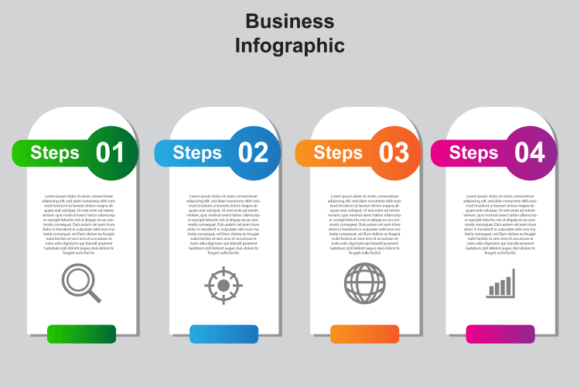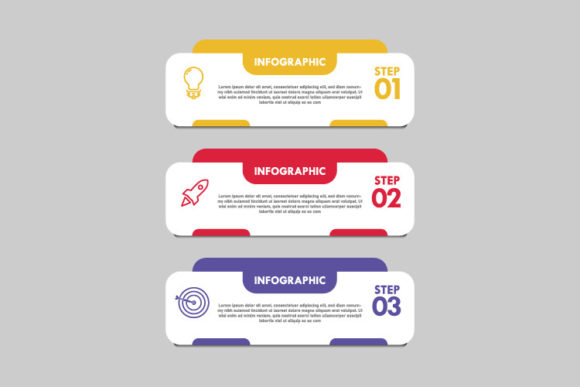
Exploring the Versatility of Infographic Element Banner Design Vector
Understanding Infographic Element Banners
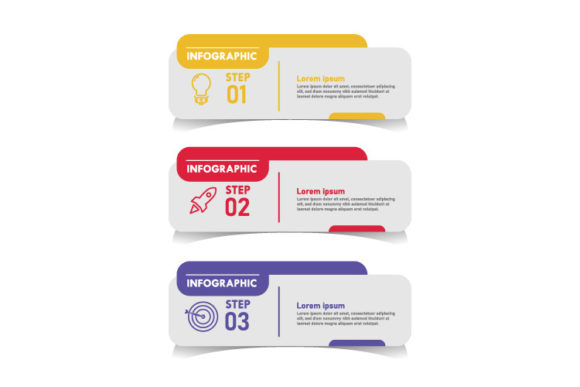
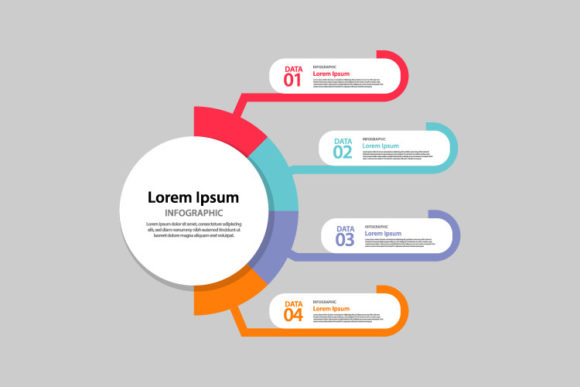
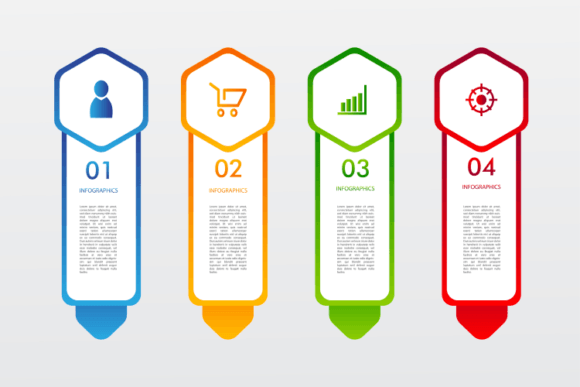
Infographic element banner design vectors are a powerful tool for visual communication, offering a blend of aesthetic appeal and functional utility. These banners, designed with a vector format, provide a scalable and versatile solution for various applications, from digital marketing to print materials.
What Makes Infographic Banners Unique?
One of the key features of infographic element banner design vectors is their adaptability. Unlike raster images, which can lose quality when resized, vector graphics maintain their clarity and sharpness at any scale. This makes them ideal for both small web icons and large-scale prints.
Components of an Infographic Banner
- Visual Elements: Icons, charts, and diagrams that visually represent data and concepts.
- Textual Information: Clear, concise text that complements the visuals and enhances understanding.
- Design Layout: A well-structured layout that guides the viewer's eye and emphasizes key points.
Marketing and Branding
In the realm of marketing, infographic element banner design vectors serve as a compelling way to present information. They can be used in social media posts, email campaigns, and website banners to engage audiences and convey messages effectively. For instance, a company might use an infographic banner to highlight the benefits of its new product or to showcase customer testimonials.
Educational Materials
Educators and content creators can leverage these banners to make learning more engaging and accessible. Whether it's explaining complex scientific processes, historical timelines, or financial data, infographic banners can break down information into digestible, visually appealing segments. This not only aids in retention but also makes the learning experience more enjoyable.
Business Presentations
For business professionals, infographic element banner design vectors are invaluable in presentations. They can be used to illustrate market trends, organizational structures, or project timelines. The clean, professional look of these banners can enhance the credibility and impact of the presentation, making it more memorable for the audience.
Scalability and Flexibility
The primary advantage of using vector-based designs is their scalability. Whether you need a small icon for a mobile app or a large banner for a trade show, the same vector file can be resized without losing quality. This flexibility saves time and resources, as you don't need to create multiple versions of the same design.
Consistency and Professionalism
Vector graphics ensure consistency across different platforms and materials. This is particularly important for brands that need to maintain a uniform look and feel. The clean, crisp lines and shapes of vector designs also give a professional and polished appearance, which is essential for high-quality presentations and publications.
Ease of Editing
Another significant benefit is the ease of editing. With vector files, you can easily modify elements, change colors, and adjust layouts without starting from scratch. This is especially useful for projects that require frequent updates or revisions, such as ongoing marketing campaigns or evolving educational materials.
Common File Types
When you acquire an infographic element banner design vector, you typically receive several file formats to suit different needs:
- Ai (Adobe Illustrator): The native format for Adobe Illustrator, allowing for advanced editing and customization.
- Eps (Encapsulated PostScript): A widely supported format for vector graphics, suitable for both print and digital use.
- SVG (Scalable Vector Graphics): An XML-based format that is ideal for web and mobile applications, ensuring high-quality rendering on all devices.
- Png (Portable Network Graphics): A raster format with transparency support, useful for web graphics and backgrounds.
- Jpg (Joint Photographic Experts Group): A compressed raster format, suitable for web and print where transparency is not needed.
Choosing the Right Format
Selecting the appropriate file format depends on the specific requirements of your project. For example, if you need to edit the design further, the Ai format is the best choice. For web use, SVG and PNG are highly recommended due to their scalability and transparency support. For print, EPS and JPG are commonly used, providing high-quality output.
Clarity and Simplicity
Effective infographic element banner design vectors prioritize clarity and simplicity. Avoid cluttering the design with too much information. Focus on the most important data and use clear, concise text. This ensures that the message is easily understood and remembered by the audience.
Color and Typography
Choose colors and typography that align with your brand and the intended message. Consistent and harmonious color schemes and readable fonts enhance the overall aesthetic and readability of the banner. Ensure there is sufficient contrast between background and text to make the information stand out.
Target Audience
Tailor the design to the target audience. Consider their preferences, needs, and the context in which they will view the infographic. For example, a banner for a tech-savvy audience might use more sophisticated graphics and interactive elements, while one for a general audience might focus on simple, straightforward visuals.
Conclusion
Infographic element banner design vectors offer a versatile and effective way to communicate information. Their scalability, flexibility, and professional appearance make them a valuable asset for a wide range of applications, from marketing and education to business and beyond. By leveraging the right file formats and design principles, you can create impactful and engaging visual content that resonates with your audience.