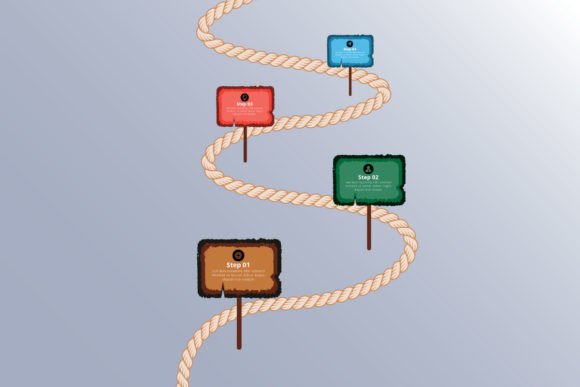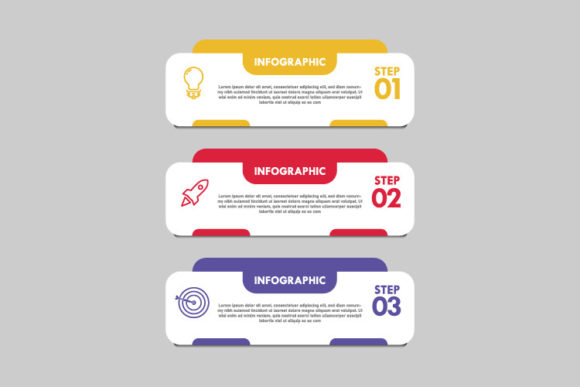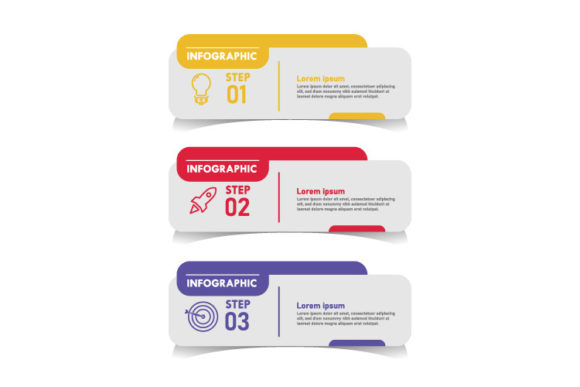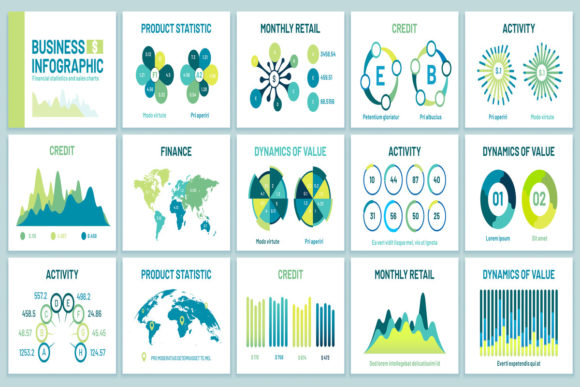
The Versatile Power of an Infographic Element Label Step Flowchart
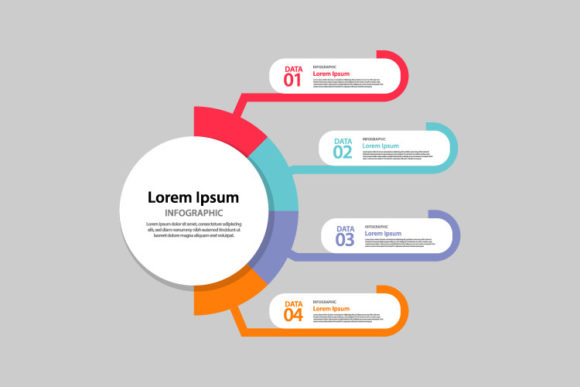
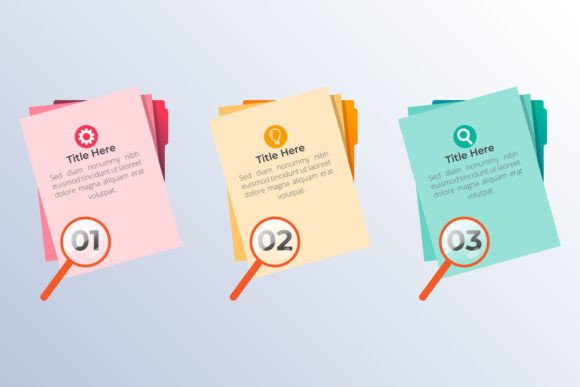
The landscape of visual communication is constantly evolving. In a world saturated with information, clarity and efficiency are paramount. This is where a well-designed Infographic Element Label Step Flowchart becomes more than just a graphic; it becomes a fundamental tool for explanation, process mapping, and audience engagement. At its core, this type of flowchart uses labeled elements—icons, shapes, text blocks—to visually guide a viewer through a sequence of steps, decisions, or related concepts. Its relevance today is undeniable, as it translates complex or linear information into an accessible, scannable, and visually appealing format.
The Convergence of Modern Design and Practical Utility
Current trends in both business and creative fields emphasize clean, minimalist aesthetics coupled with high functionality. User expectations have shifted; people now prefer quick visual summaries over dense text. An Infographic Element Label Step Flowchart aligns perfectly with this demand. It fits into modern workflows where time is scarce and impact is crucial. Marketers need to explain product journeys, educators simplify lesson plans, entrepreneurs outline business models, and project managers communicate workflows. This adaptable design serves all these needs by providing a structured yet flexible visual framework.
The evolution of this tool is tied directly to technology and changing creative practices. Previously, creating a polished flowchart required significant design skill or specialized software. Now, with accessible vector design resources, the barrier to entry is lowered. This democratization allows professionals from various backgrounds—not just graphic designers—to produce high-quality visual materials. The increased attention on visual content across social media, presentations, and reports has further cemented the flowchart's role as a staple of effective communication.
Unpacking the Design Features: A Foundation for Customization
A key aspect of a modern Infographic Element Label Step Flowchart is its inherent adaptability. The description highlights features critical for real-world application. The provision as a vector file is transformative. Vector graphics are resolution-independent, meaning you can adjust the size to any scale without loss of quality. Whether you need a small icon for a digital leaflet or a large poster for a conference print, the same file adapts seamlessly. This scalability is a practical necessity for creators who output across multiple mediums.
The EPS file format for Illustrator CC or later ensures compatibility with professional design software, a standard for many freelancers and agencies. The 300 DPI specification guarantees print-ready quality, while RGB color mode is optimized for digital screens and most modern printing processes. Perhaps most importantly, the design is built to be easy to edit. This includes the use of free fonts and fully customizable colors, fonts, and elements. This editability empowers users. A business owner can tailor the colors to match their brand palette. A blogger can change the fonts to suit their website's style. An educator can modify labels to fit a specific curriculum. This level of control turns a template into a personal tool.
Practical Implications for Diverse Users
The implications of such a versatile design asset are wide-reaching. For professionals and marketers, it streamlines the creation of campaign materials. Imagine using the flowchart to illustrate a customer onboarding process on a flyer, or the steps of a service on a poster. It saves hours of design time while ensuring a consistent, professional look.
Creators, bloggers, and freelancers can leverage it to enhance their content. A blog post explaining a technical process becomes more engaging with a visual flowchart embedded within it. A freelancer can use it in a proposal document to visually outline their project methodology, adding clarity and credibility.
Educators and trainers find immense value in such infographics. A flowchart can break down a scientific procedure, a historical timeline, or a logical argument into digestible steps, aiding comprehension and retention. It serves as both a teaching aid and a handout for students.
Even for hobbyists and curious readers, having access to an easy-to-edit visual template allows for personal projects—planning a complex DIY project, organizing a community event schedule, or mapping out personal goals. The design’s clean, modern aesthetic ensures the output looks polished, regardless of the user’s design expertise.
Integration into Contemporary Creative and Business Needs
Market preferences now lean heavily towards visual storytelling. A Infographic Element Label Step Flowchart enables this by structuring a narrative into a logical, visual sequence. It meets business needs for transparency and process documentation. In an era where user experience is king, showing users a clear, step-by-step path—whether for using a product, accessing a service, or completing a task—builds trust and reduces friction.
Observations from modern digital behavior show that information is often consumed in a non-linear, visual way. People scan, look for key points, and follow arrows or connectors. This flowchart design caters directly to that habit. It’s not merely a static image; it’s a guided visual experience. Recommendations for its use are grounded in this reality. Use it to simplify anything that has an order, a choice, or a progression. Avoid overcomplicating the element labels; keep text concise and icons intuitive. Leverage the customization features to align the graphic perfectly with the context of its use—corporate, educational, or personal.
The true power lies in its application across formats. As noted, you can use this design for any kinds of flyer, poster, leaflet or anything you want. This universality is its greatest asset. A single, well-crafted visual framework becomes a multi-purpose resource in your creative toolkit. Whether output is digital or physical, large-scale or small-scale, the foundational design remains strong, clear, and effective.
A Forward-Looking Tool for Grounded Communication
While design trends will continue to evolve, the need for clear process visualization is enduring. The Infographic Element Label Step Flowchart, especially one built with modern, customizable features, is a forward-looking solution because it addresses a timeless need: the need to explain. It empowers individuals and organizations to communicate more effectively without requiring constant reinvestment in design resources. By combining a clean aesthetic with practical technical specifications like vector scalability, EPS compatibility, and easy editing, it provides a realistic and immediately useful asset for today’s diverse communicators.
In essence, it represents a shift towards user-empowered design. It acknowledges that while professional design principles are vital, the ability to adapt and personalize those principles for specific, immediate needs is equally valuable. This balance between polished starting point and flexible customization makes it a remarkably relevant tool for our current moment, where speed, clarity, and visual appeal are non-negotiable components of successful communication across all fields and endeavors.