Understanding and Utilizing the Mental Health in Childhood Template Set
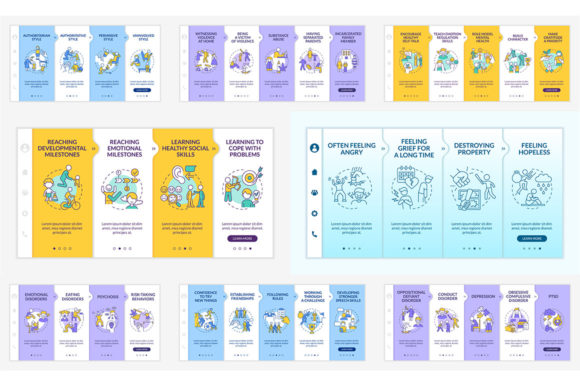
Mental Health in Childhood Template Set is a comprehensive collection of mobile templates designed to support and enhance the understanding and communication of mental health issues in children. This set includes a variety of resources, from developmental milestone charts to responsive mobile website designs, all aimed at making the topic more accessible and engaging for a wide audience.
Why Choose the Mental Health in Childhood Template Set?
Parents, educators, and professionals often find it challenging to address and understand the nuances of children's mental health. The Mental Health in Childhood Template Set offers a structured and visually appealing way to present this critical information. With its use of Lato-Bold and Regular fonts, along with linear concept icons, the templates are not only aesthetically pleasing but also highly functional.
Common Mistakes and How to Avoid Them
When selecting and using a template set like this, there are several common mistakes that can affect the effectiveness and usability of the materials:
- Ignoring the Target Audience: One of the most significant errors is choosing templates without considering the specific needs and preferences of your audience. For example, if you are targeting parents, you might want to focus on more interactive and visually driven content. Always tailor the templates to the intended users.
- Overlooking Mobile Responsiveness: In today’s digital age, many users access information via mobile devices. Ensure that the templates you choose are fully responsive and look great on both smartphones and tablets. This will enhance user engagement and satisfaction.
- Neglecting Accessibility: Mental health is a sensitive topic, and it’s crucial that the information is accessible to everyone. Check that the templates meet accessibility standards, such as having sufficient color contrast and being screen-reader friendly.
Better Approaches and Practical Advice
To avoid these pitfalls, consider the following tips:
- Conduct User Testing: Before finalizing your choice, conduct user testing with a small group of your target audience. Gather feedback on the clarity, ease of use, and overall appeal of the templates. This will help you make informed decisions and ensure the templates meet the needs of your audience.
- Prioritize Clear Communication: The primary goal of these templates is to communicate effectively. Use clear, concise language and avoid jargon. Visual elements like icons and infographics should be used to complement the text, not overwhelm it.
- Regular Updates and Maintenance: Mental health research and best practices evolve over time. Make sure to regularly update the templates to reflect the latest information and trends. This will keep your content relevant and valuable to your audience.
What to Check Before Making a Decision
Before committing to a particular template set, here are some key points to check:
- File Formats: Ensure the product file formats (EPS, SVG, PNG, JPEG, AI) meet your technical requirements and are compatible with the software you use.
- Customization Options: Look for templates that offer customization options. This will allow you to adapt the designs to better fit your specific needs and branding.
- Support and Resources: Check if the provider offers any additional support or resources, such as tutorials, FAQs, and customer support. This can be invaluable, especially if you are new to using design templates.
Realistic Examples and Better Approaches
For instance, if you are creating a brochure for a school event on mental health awareness, you might start by selecting a template that includes a mix of text and visual elements. Instead of just listing statistics, you could use infographics to show the prevalence of different mental health issues among children. This approach makes the information more engaging and easier to understand.
Another example is when designing a mobile app page. Prioritize a clean, intuitive layout that highlights key features and benefits. Use icons to represent different sections, such as "Symptoms," "Resources," and "Contact Information." This not only enhances the visual appeal but also improves the user experience.
Conclusion
The Mental Health in Childhood Template Set is a powerful tool for anyone looking to effectively communicate and support mental health in children. By avoiding common mistakes and following the practical advice outlined above, you can ensure that your materials are both effective and impactful. Remember to always put the needs of your audience first and stay updated with the latest trends and research in the field.
For more resources and updates, consider subscribing to BSD Studio, where you can stay informed about new topics, discounts, and the latest in design and communication tools.