Crafting Ethical Communications: A Practical Guide to Business Ethics Brochure Templates
Presenting your company’s commitment to ethics is more than a procedural footnote; it’s a foundational communication that shapes internal culture and public trust. For professionals, educators, and entrepreneurs tasked with this, a well-designed brochure is a crucial tool. The Business Ethics Teal Brochure Templates offer a specific solution: a set of editable vector layouts designed to articulate these values clearly and professionally. However, selecting and using such a template set effectively requires a mindful approach to avoid common pitfalls that can undermine the message itself.
The Core Appeal and Common Missteps
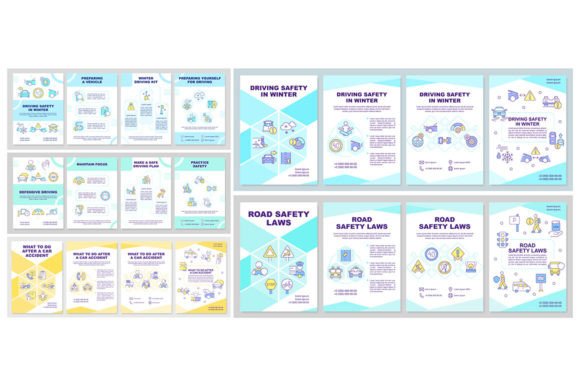
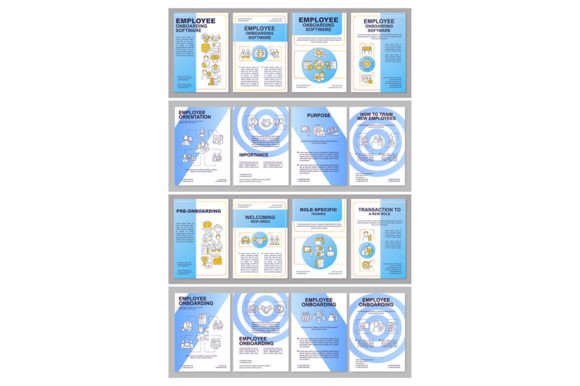
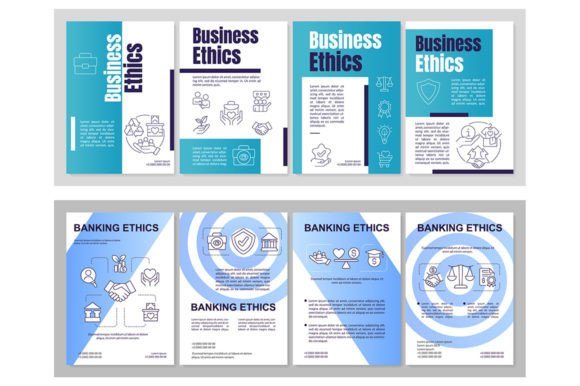
People are drawn to these templates for good reasons. They promise efficiency, a cohesive leaflet design with linear icons, and the ability to bypass complex design software. The package, which includes 4 vector layouts for presentations and reports in formats like EPS, AI, and SVG, is aimed at saving time and ensuring visual consistency. Yet, the first mistake many make is treating the template as a mere decorative shell. A brochure on business ethics is substantive; its design must serve the content, not disguise a lack of it.
A frequent oversight is downloading the zip file containing 2 brochure templates and immediately diving into editing without first defining the communication’s goal. Is this for employee onboarding? A stakeholder report? A public-facing policy statement? Each purpose demands different content emphasis. Using a template without this clarity often results in a generic, fill-in-the-blanks document that fails to resonate with its intended audience.
Navigating Technical Choices and Quality Pitfalls
The provided product file formats—EPS, JPEG, AI on white background, SVG, PNG on transparent background—are a significant advantage, offering flexibility for both print and digital use. A common misunderstanding, however, is not checking which format aligns with your final output medium. For instance, using the JPEG for a high-quality print run will lead to pixelation, while using the transparent background PNG versions for a printed white-paper brochure might create unexpected visual issues. Always match the format to the medium: vectors (EPS, AI) for scalable print, transparent PNGs/SVGs for web overlays.
Another subtle error is underutilizing the editable nature of the vector layouts. Beginners might simply change the text and colors, leaving the structure intact. While the linear icons and infographic elements are professionally designed, they are not universal. For example, a icon symbolizing “integrity” might not perfectly match your company’s specific definition of that principle. The better approach is to see the template as a sophisticated starting framework. Customize the iconography if needed, rearrange sections to flow with your narrative, and ensure every visual element directly supports the ethical concepts you are explaining.
Beyond the Download: Ensuring Effective Application
Once you have the template open, the work truly begins. A major mistake is letting the design dictate an information overload. The clean brochure infographic templates can tempt you to cram in every policy point and statistic. This creates a dense, unreadable document. Instead, apply the principle of ethics to the communication itself: be transparent and concise. Prioritize key messages. Use the layout’s sections to guide the reader through a logical story—perhaps from core values to practical examples to future commitments—creating a positive environment for growth in understanding.
Also, avoid the isolation of this single project. These templates from studios like BSD often belong to a broader ecosystem. The offer of icons, mobile app screen pages, and more suggests a style library. If your ethics communication is part of a larger campaign, ensure visual consistency across all materials. Using a disparate set of templates for a report, app, and website can fragment your brand’s ethical voice, making it seem less cohesive and intentional.
Strategic Evaluation Before Use
Before finalizing your brochure, conduct a practical review. First, check the content’s accuracy and specificity. Does it use realistic examples from your own operations? Generic statements about “fair treatment” are less impactful than a brief case study on your supply chain audit. Second, assess the design’s accessibility. Is the teal color scheme and text clear for all readers? Does the hierarchy of information guide the eye naturally? Finally, consider the distribution. A beautifully designed print brochure saved as a PDF and emailed as a massive attachment is a usability failure. Optimize the file size and format for its delivery channel.
The promise of new topics and discounts every week upon subscribing to a studio like BSD is enticing for ongoing needs, but it shouldn’t distract from the current task’s completeness. Your business ethics brochure is a standalone, important artifact. Ensure it is fully resolved before moving on to new resources. A subscription is valuable for long-term content creation, not for patching together an unfinished project.
Building a Foundation for Trust
In essence, the Business Ethics Teal Brochure Template set is a powerful tool when applied with strategic intent. The mistakes to avoid are largely rooted in haste and a superficial engagement with the material. By defining your purpose, mastering the technical formats, customizing the editable layouts thoughtfully, and rigorously reviewing the final product, you transform a template into a authentic communication. This process not only yields a better brochure but also mirrors the ethical practice it aims to promote: careful, considered, and respectful of the audience it serves. It turns a design task into an act of brand integrity, fostering that positive environment for growth internally and externally.
Remember, the goal is to use the template to enhance your message’s clarity and credibility, not to let the template become the message itself. With this mindful approach, your brochure will stand as a genuine reflection of your organization’s ethical commitment.